
Farhan Fauzan Jamaludin
Not just screens. System, behavior, and outcomes
Product designer shaping consumer and business experiences | from usable interfaces to evidence-backed decisions under real constraints.


Featured work
All work →

01 / FEATURED CASE STUDYAstraPay
Making KYC Resumable Without Starting Over
I redesigned KYC as resumable KTP and Selfie tasks, with visible progress and recovery states.
+8.4%relative KYC completion increase after redesign
02 / CASE STUDYAstraPay
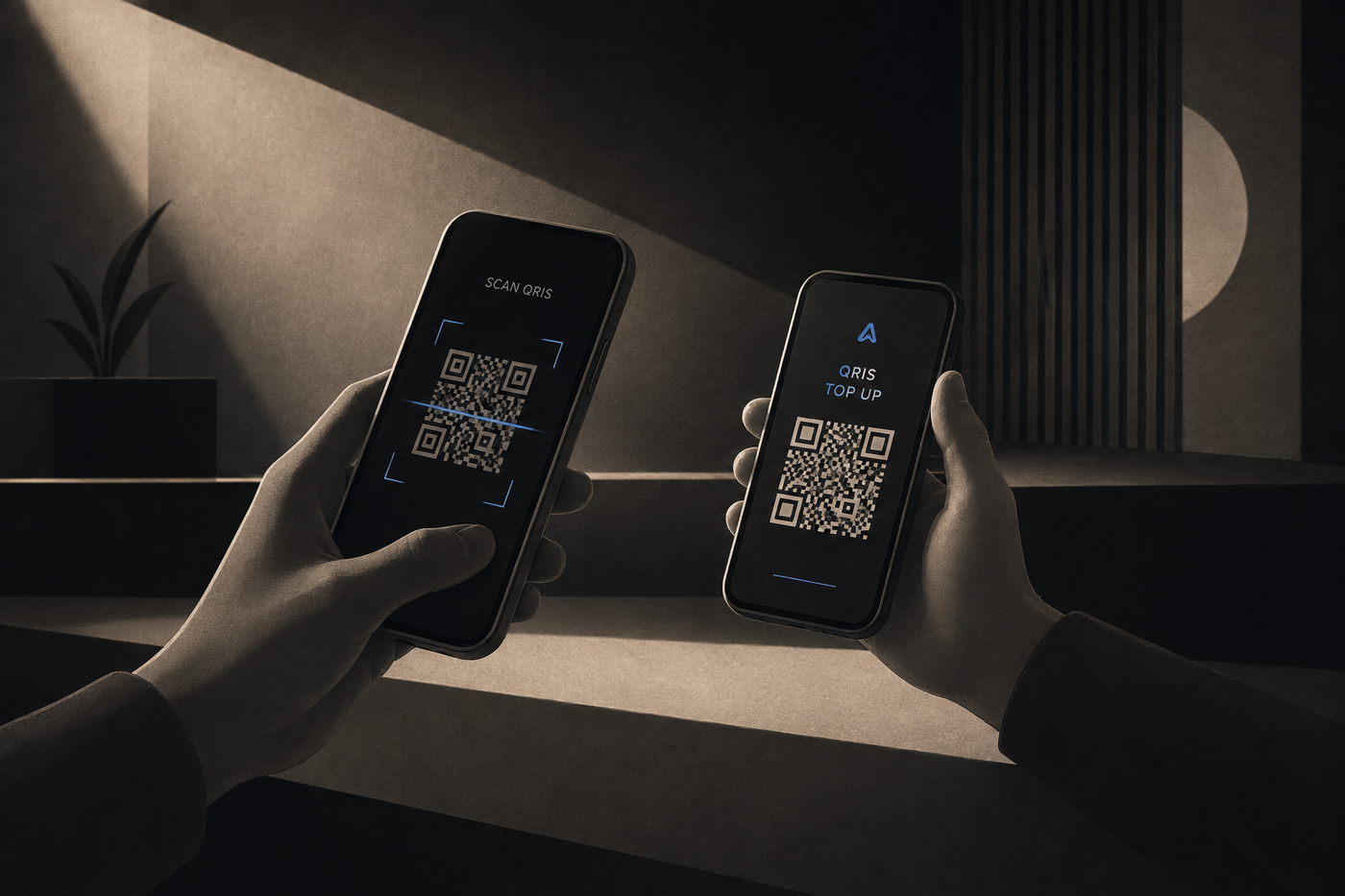
Turning QRIS Into a Top Up Channel
I designed a one-time QR top-up journey for a channel ranked #3 by transaction count in 2026 YTD (10.61% share).
10.61%cash-in transaction share · 2026 YTD Oct 21

03 / CASE STUDYAstraPay
AI Pre-check to Catch KYB Mismatches Before Submission
I turned AI mismatch findings into actionable, non-blocking warnings and correction paths inside a KYB web dashboard.
−36%relative reduction in targeted mismatches after rollout


04 / CASE STUDYTU/e
Testing When a Pedagogical Agent Actually Helps Learning
A 157-participant mixed-factorial study testing when a visible pedagogical agent improves different learning tasks.
N=157participants in mixed-factorial study